

You can stop the spread of invasive species and prevent the establishment of new invasives.
Educate yourself, your family, and your neighbors.
When on outings, share your knowledge with your family. Teach them how to identify invasive species and how to avoid spreading them.
Let your neighborhood organization or your local invasive species experts know about local infestations and discuss management options.
Let your local nursery grower know about your concerns about invasive species. Some plants are marketed as “bird friendly” or “attractive to pollinators” even if they’re nonnative, and have the potential to become invasive. Research the species name to determine if it is native to your area before planting.
Latest Past Events

NAISMA Webinar: Starry Trek: Mobilizing Volunteers for Early Detection of Aquatic Invasive Species
Since 2017, Minnesota’s Starry Trek Program has demonstrated how coordinated volunteer engagement can significantly expand early detection capacity for aquatic invasive species. Originally launched as a statewide effort to search […]
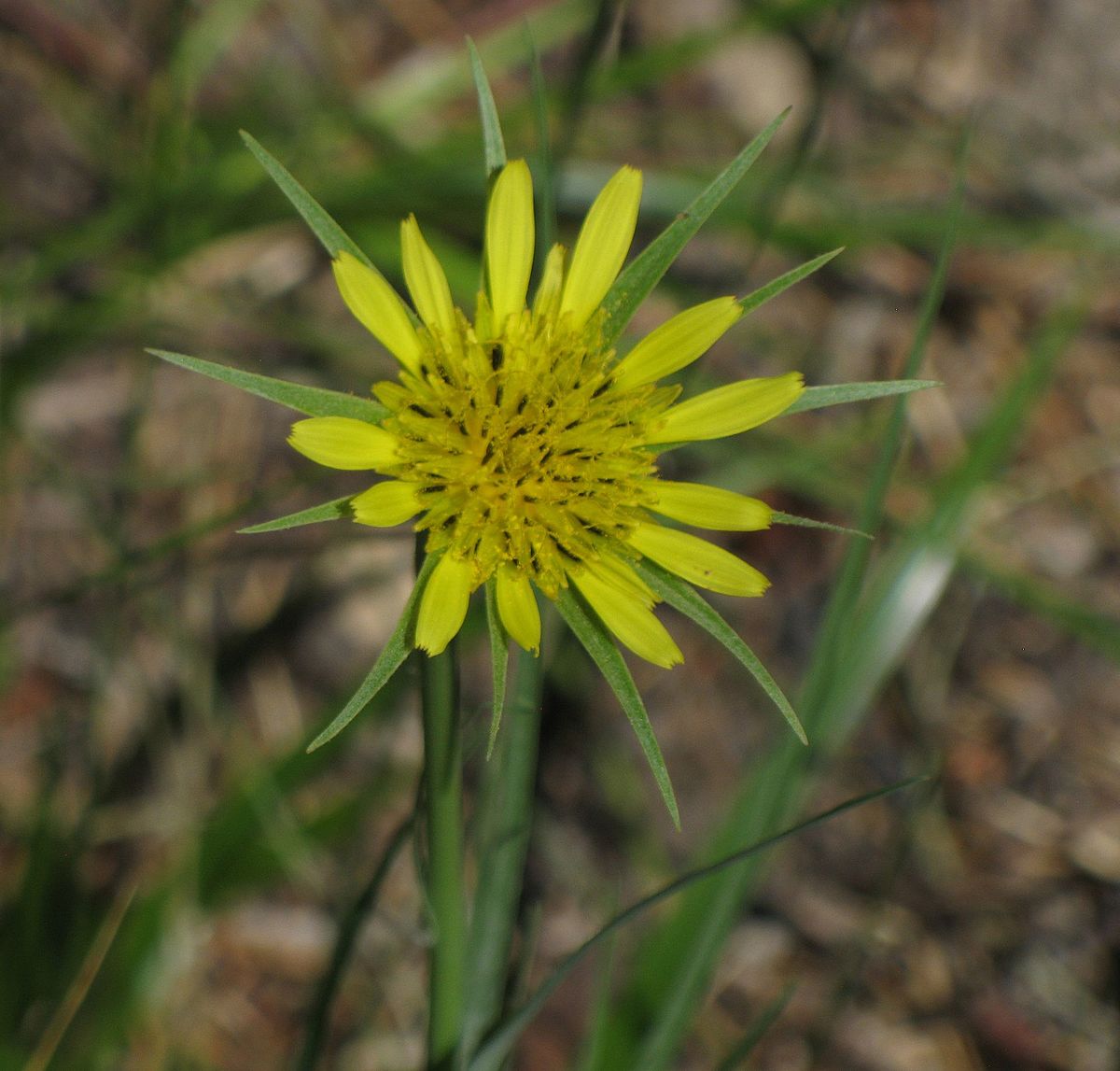
Goats Beard / Yellow Salsify Removal
Beaver Creek Conservation Area SaskatoonYellow salsify (Tragopogon dubius), is an invasive plant that typically grows to a height of 1 to 3 feet (30 to 90 cm). It spreads quickly through the production of […]

Communicating strategies for the prevention of IAS in two countries in Latin America
Invasive species are one of the main drivers of biodiversity loss worldwide and different countries have taken different approaches to communicating this to society taking into account culture, language, and […]
Purchase the PlayCleanGo Toolkit For Your Organization
Looking to try using PlayCleanGo in your education and outreach materials? You can purchase our $25 PlayCleanGo starter kit. The kit includes six PlayCleanGo logo files, brand guidelines, and permission to use the logo marks for one year from the date of your purchase. If your agency or institution requires an invoice to process payments, please continue through the checkout process, select “Check payment,” and print the confirmation email as your invoice.