Simple prevention tips to protect the places we love.
Whether we're hiking, biking, camping, fishing, or enjoying our favorite outdoor activities, we can all take simple steps to prevent the spread of invasive species.
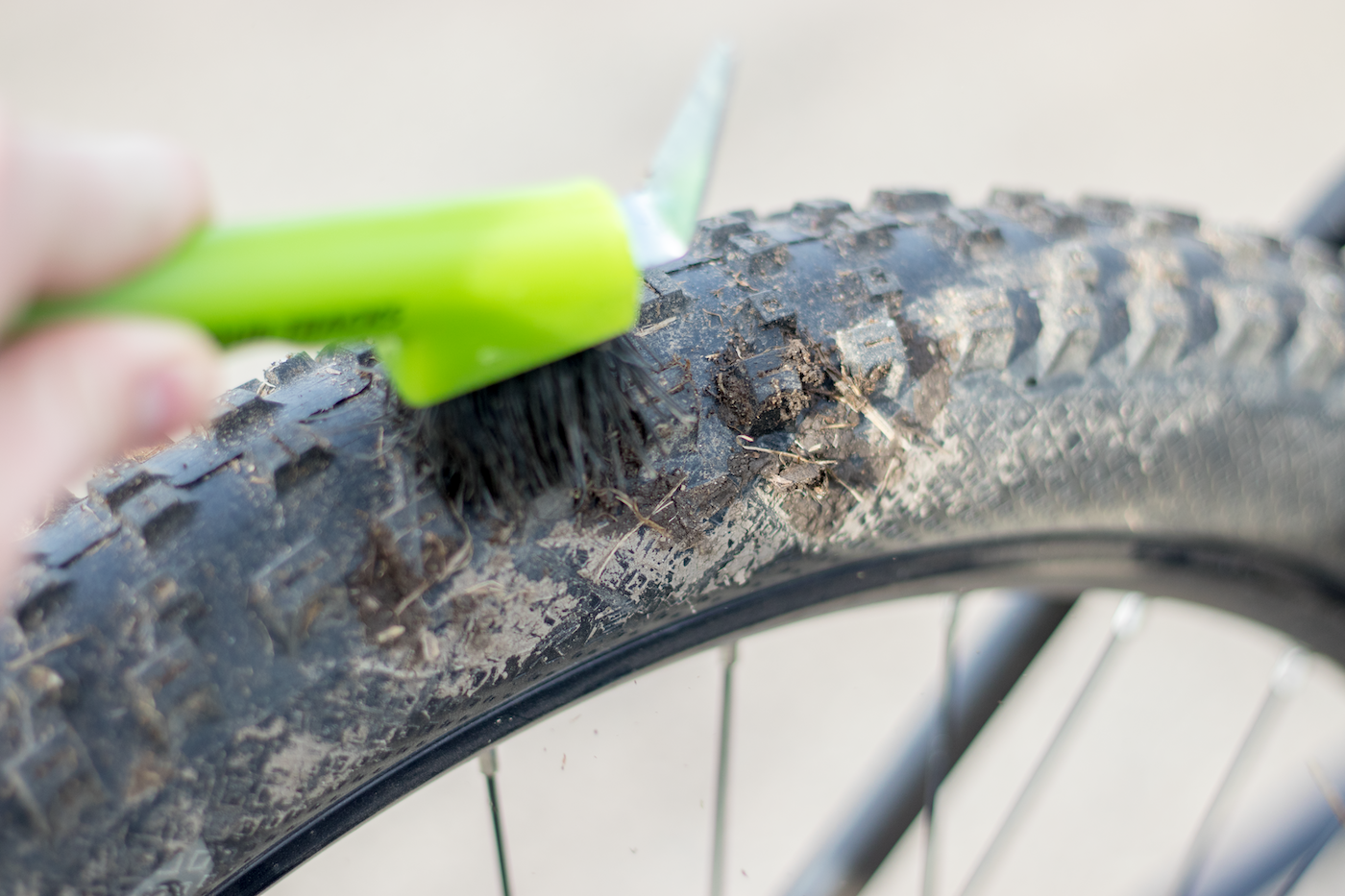
Start the day with clean shoes and gear by using the PlayCleanGo handheld boot brush. This will ensure there are no missed seeds or plant parts from your last adventure.
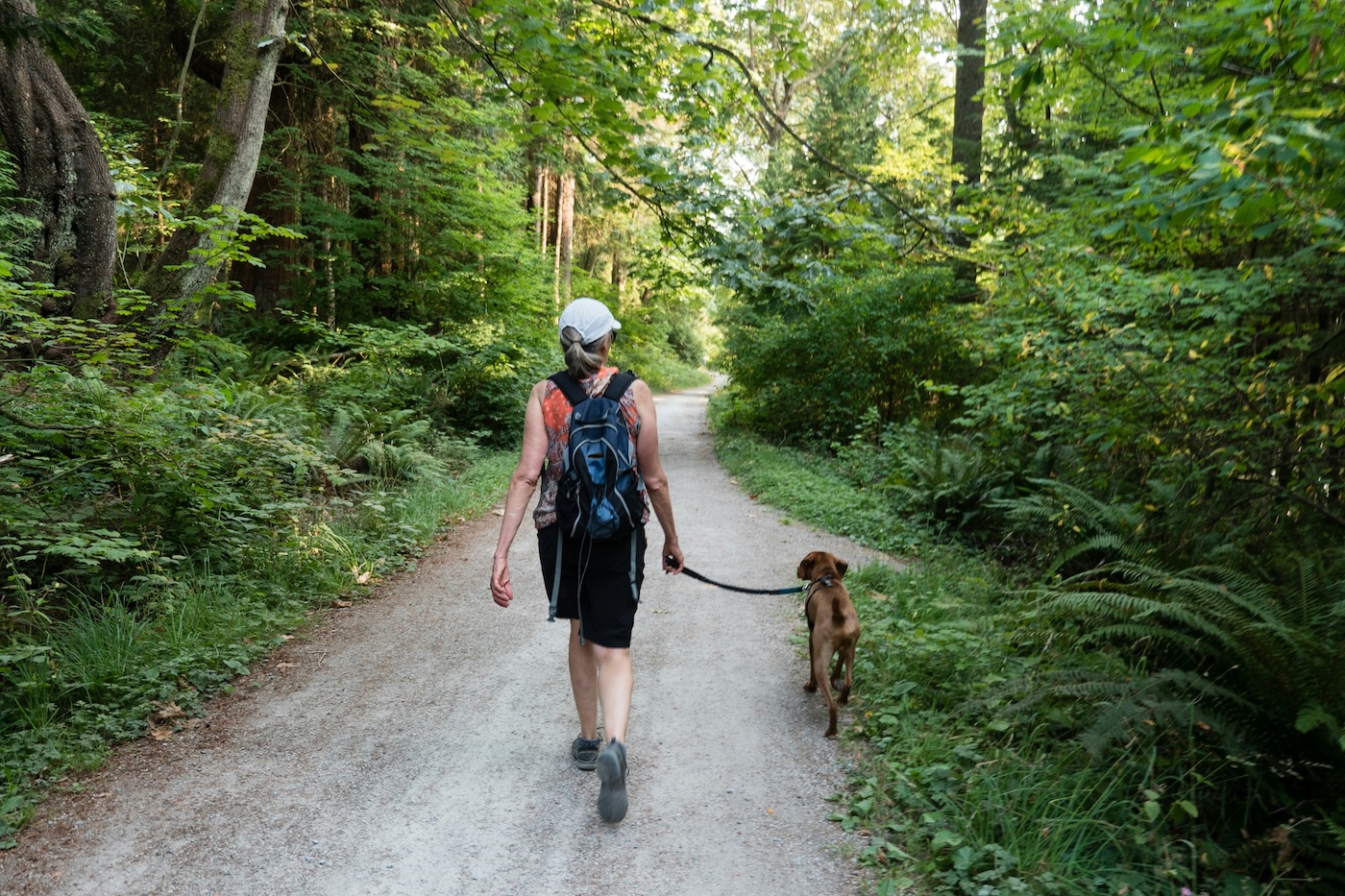
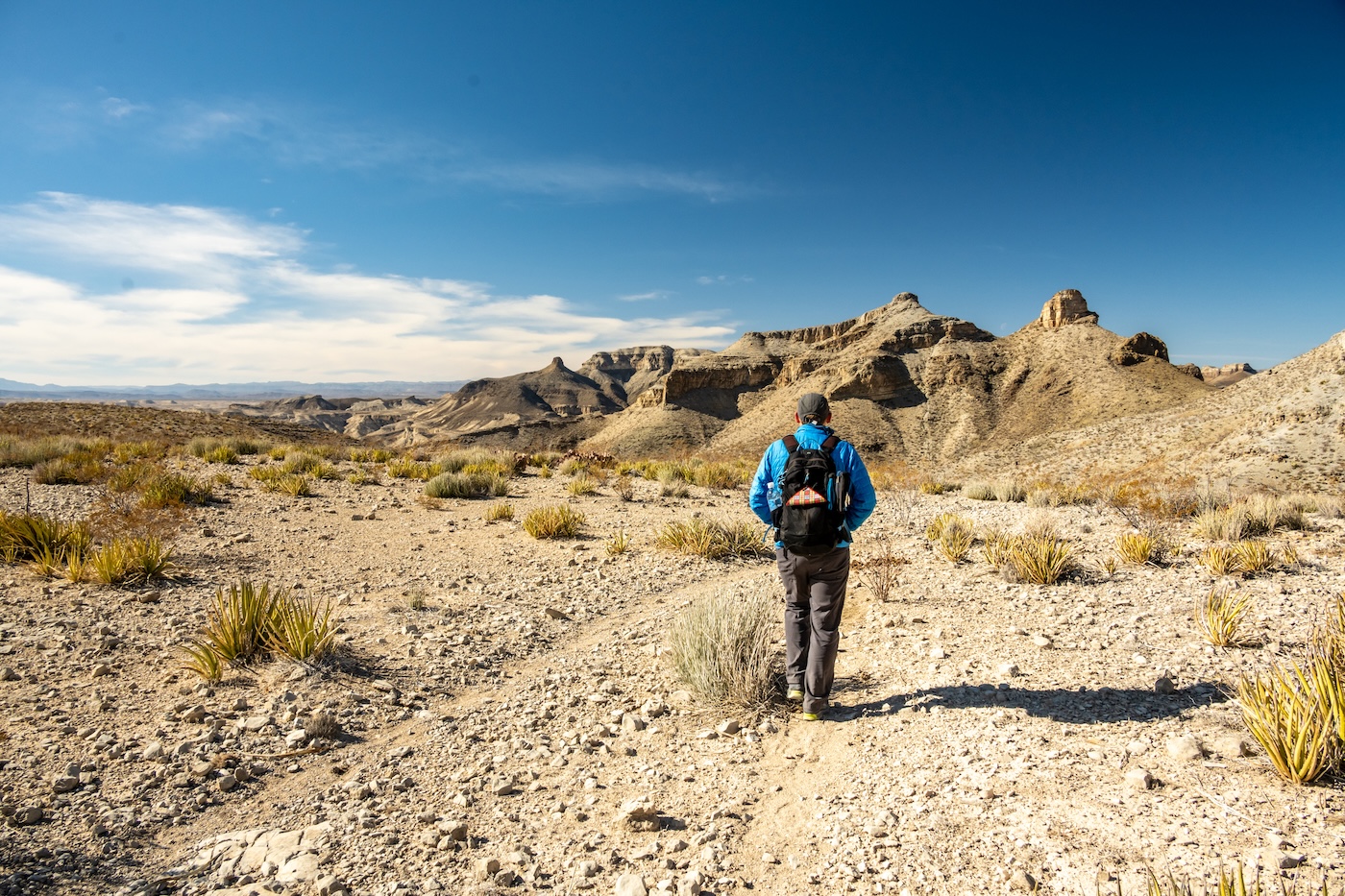
Stay on marked and/or designated trails to keep invasive species populations localized. By doing so, you prevent introduction of invasive species to new areas.
When your adventure is done and before leaving a location, CLEAN your:
Footwear at a boot brushing station or with the PlayCleanGo handheld boot brush you have packed if a station is not available.
Clothes and gear by picking off seeds and burrs with the PlayCleanGo Burr Paw and brushing off extra dirt.
Pets by removing mud and seeds. For tough burrs use a little coconut oil and pinch the burr. This will break it up into pieces and then they can be combed out of fur.
You can start the day with clean shoes and gear by using the PlayCleanGo handheld boot brush to ensure there were no missed seeds or plant parts from your last adventure.
By staying on marked and/or designated trails you keep invasive species populations localized for easier management and prevent introduction to new areas.
Clean your tent and hammocks before packing up by brushing off any plant parts, seeds, and dirt.
Sweep out or shake out the interior of the tent prior to packing.
When you return home setup your tent, tarp, and hammocks to allow them to dry out and remove and remaining organic material.
Before leaving a backpacking location, CLEAN your:
Footwear at a boot brushing station or with the PlayCleanGo handheld boot brush you have packed if a station is not available along the trails.
Outerwear and gear by picking off seeds and burrs with the PlayCleanGo Burr Paw and brushing off extra dirt.
Your pets by removing mud and seeds. For tough burrs on pets use a little coconut oil on the burr and pinch it break it up into pieces and comb them out of fur.
Never bring firewood from home to your campsite. Buy it where you burn it.
Don’t move firewood further than 10 miles from where it originated.
Leave any remaining firewood at the campsite or leave it with the camp host.
Learn more about firewood rules and regulations in your area by visiting The Nature Conservancy’s Firewood Map.
Keep pets clean by removing mud and seeds. For tough burrs on pets use a little coconut oil on the burr and pinch it break it up into pieces and comb them out of fur.
Brush clean your tent and hammocks before packing up to remove any plant parts, seeds, and dirt.
Shake or sweep out the interior of the tent prior to packing.
At home, setup tent, tarp, and hammocks to allow them to dry out and remove and remaining organic material.
Look for suspicious splotches in your vehicles’ wheel wells and underside. Egg masses of invasive insects could look like dried mud. Dispose of suspicious splotches in rubbing alcohol.
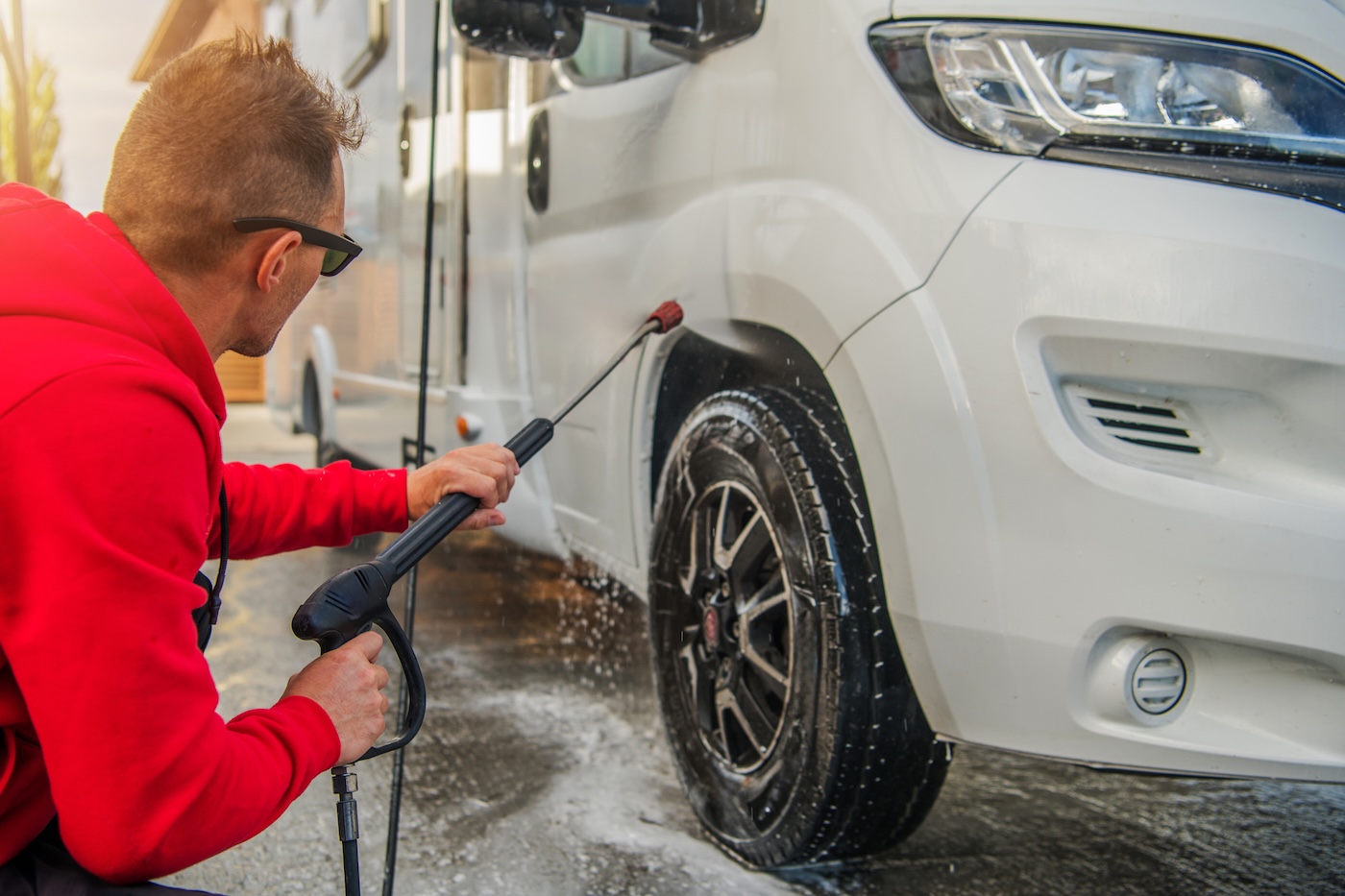
Spray down your vehicle with water or compressed air to remove mud and plant parts from tires and fenders.
Be sure to not bring firewood from home to your campsite. Buy it where you burn it, buy certified heat-treated firewood, or gather on site when permitted.
Make sure your local firewood comes from within 50 miles, and ideally within 10 miles, of where you plan to burn it.
Leave any remaining local firewood at the campsite or with the camp host. Don’t take it home with you.
Learn about firewood rules and regulations in your area by visiting Don’t Move Firewood’s Firewood Map.
Feed your horse certified weed-free hay 3 days before going on public lands.
Before and after you ride, check the mane, tail, legs and gear and remove seeds and plant material.
For tough burrs apply a small amount of coconut oil on the burr and surrounding hair. Pinch the burr between fingers to break it up into pieces and comb out of hair.
Be responsible by starting the day with clean shoes and gear by using the PlayCleanGo handheld boot brush to ensure there were no missed seeds or plant parts from your last adventure.
Staying on marked and/or designated trails keeps invasive species populations localized for easier management and prevent introduction to new areas.
When your adventure is done and before leaving a location, CLEAN your:
Your shoes at a boot brushing station or with the PlayCleanGo handheld boot brush you’ve packed if a station is not available along the trails.
Your clothes and gear by picking off seeds and burrs with the PlayCleanGo Burr Paw and brushing off extra dirt.
You pets by removing mud and seeds. For tough burrs, use a little coconut oil on the burr and pinch it break it up into pieces. Then, comb them out of fur.
Rinse or spray down your bike with water or compressed air to remove mud and plant parts from tires and fenders.
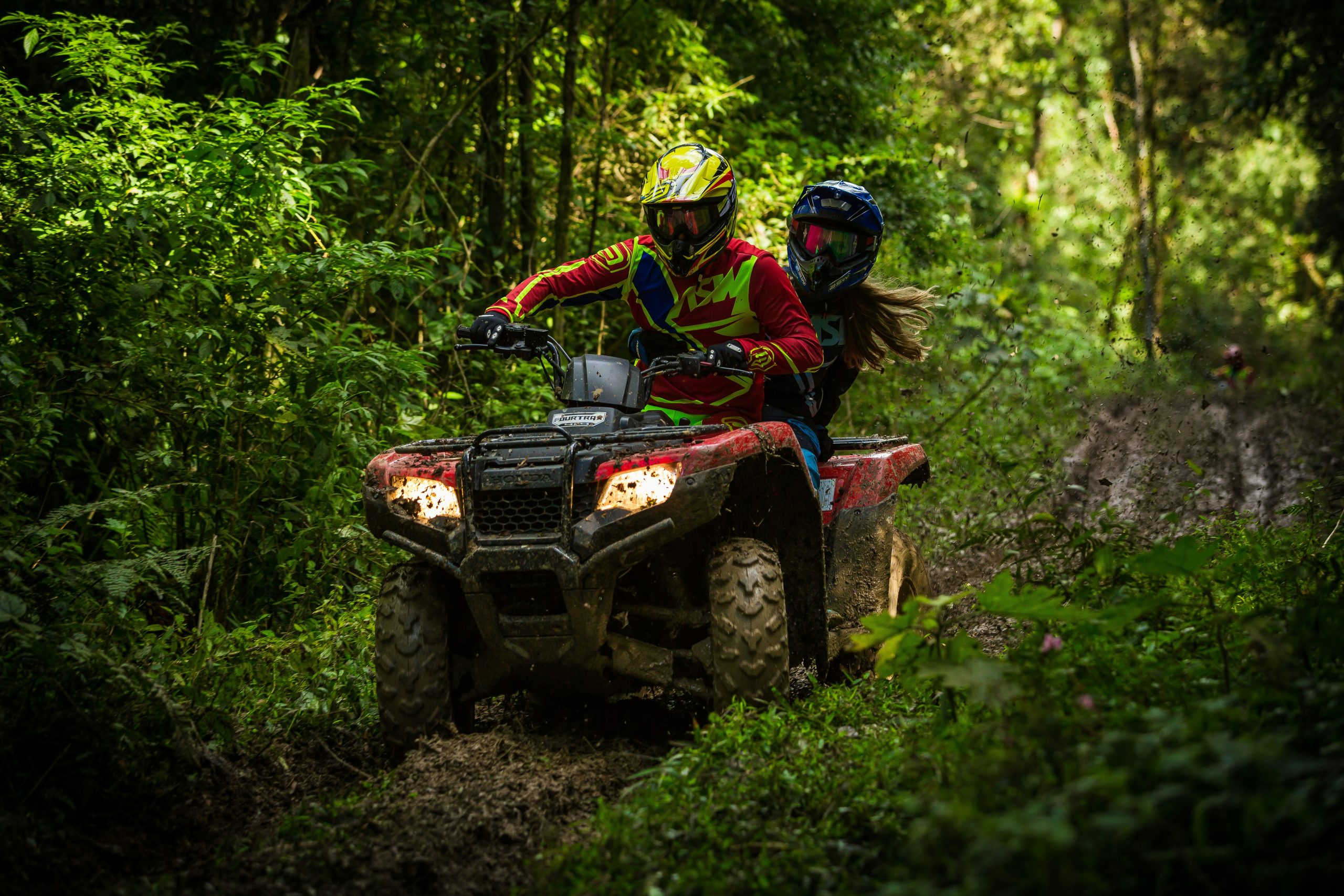
If you ride ATVs, UTVs, OHVs, or snowmobiles start the day with clean shoes and gear by using the PlayCleanGo handheld boot brush to ensure there were no missed seeds or plant parts from your last adventure.
Always stay on marked and/or designated trails to keep invasive species populations localized for easier management and prevent introduction to new areas.
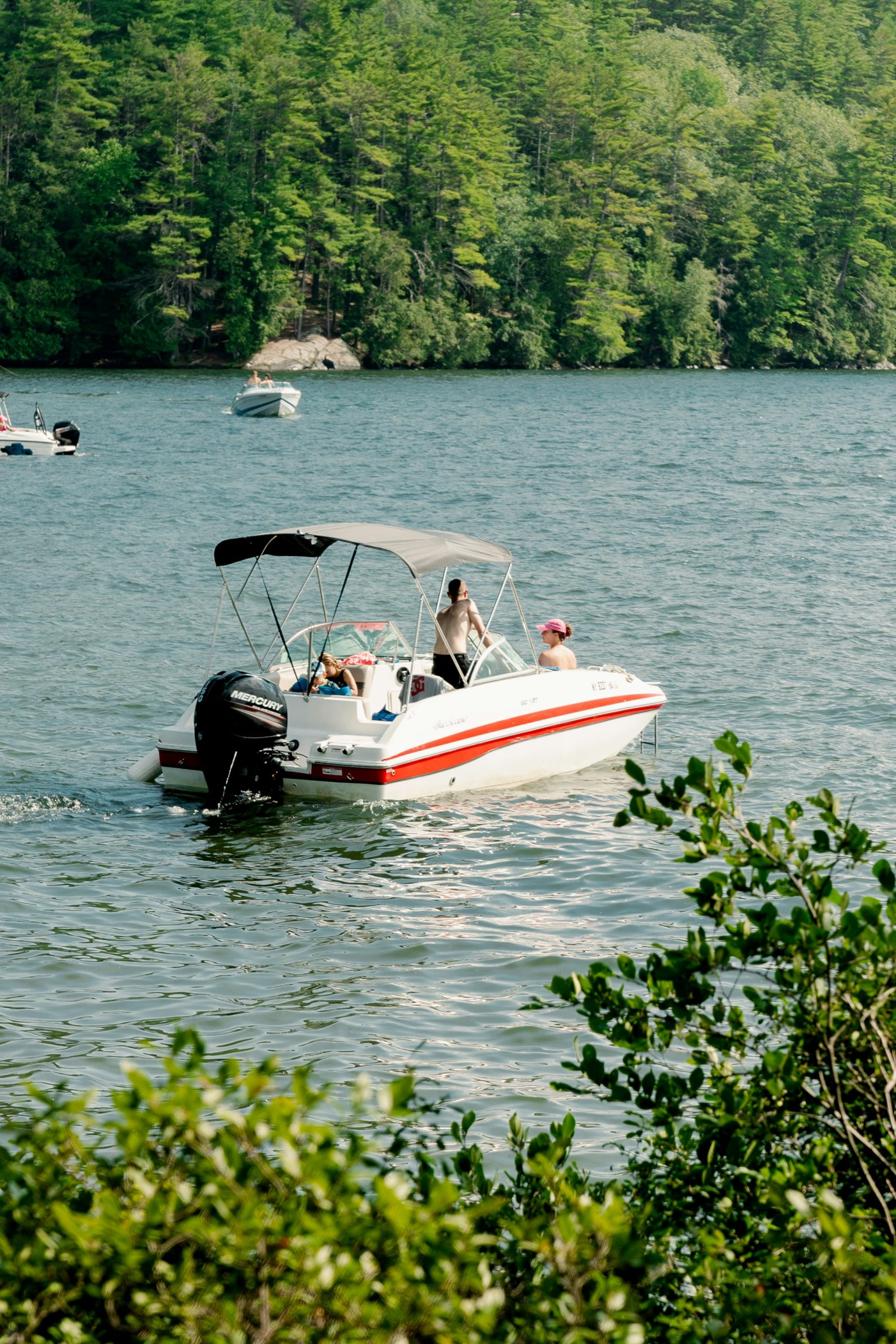
Visible aquatic plants, animals, and mud should be cleaned from watercraft, motor, trailer, and equipment before leaving water access.
Scrub hull using a stiff brush.
Rinse watercraft, trailer, and equipment with high pressure hot water when possible.
Flush motor according to owner’s manual.
Jet Boats and Personal Watercraft (PWCs) users: Clean off visible aquatic plants, animals, and mud from hull, trailer, intake grate and steering nozzle, etc. Run engine 5-10 seconds to blow out excess water and vegetation from internal drive before leaving water access.
Sailors: Clean off visible aquatic plants, animals, and mud from the centerboard, bilge board wells, rudder post, trailer and other equipment before leaving water access.
Drain water from watercraft, motor, bilge, bladder tanks, livewell, and portable bait containers before leaving water access.
Dry everything for five days or more, unless otherwise required by local or state laws, when moving between waters to kill small species not easily seen OR wipe with a towel before reuse.
Clean off visible aquatic plants, animals, and mud from your non-motorized watercraft, gear, paddles, floats, ropes, anchors, dip nets, and trailer before leaving water access. Scrub the hull using a stiff brush. Rinse watercraft, trailer and equipment with high pressure hot water, when possible.
Drain all water from watercraft, sponges, bailers, and water containing devices before leaving water access.
Allow everything to dry for five days or more, unless otherwise required by local or state laws, when moving between waters to kill small species not easily seen OR wipe with a towel before reuse.
Clean your gear and equipment including waders, footwear, ropes, anchors, bait traps, dip nets, down rigger cables, fishing lines, and field gear before leaving water access. Scrub off any visible material on footwear with a stiff brush.
Drain the water from watercraft, motor, bilge, bladder tanks, live-well and portable bait containers before leaving water access. Replace with spring or dechlorinated tap water when keeping live bait before leaving water access.
Dry everything five days or more, unless otherwise required by local or state laws, when moving between waters to kill small species not easily seen OR wipe with a towel before reuse.
Dispose of unwanted bait, fish parts, and packing materials, in the trash; do not dump them in the water or on land.
Other key actions:
Use non-felt soled boots to further reduce the risk of spreading aquatic invasive species.
Fish caught for eating or taxidermy should be cleaned at designated fish cleaning stations or placed on ice.
Never dump live fish or other organisms from one water body into another.
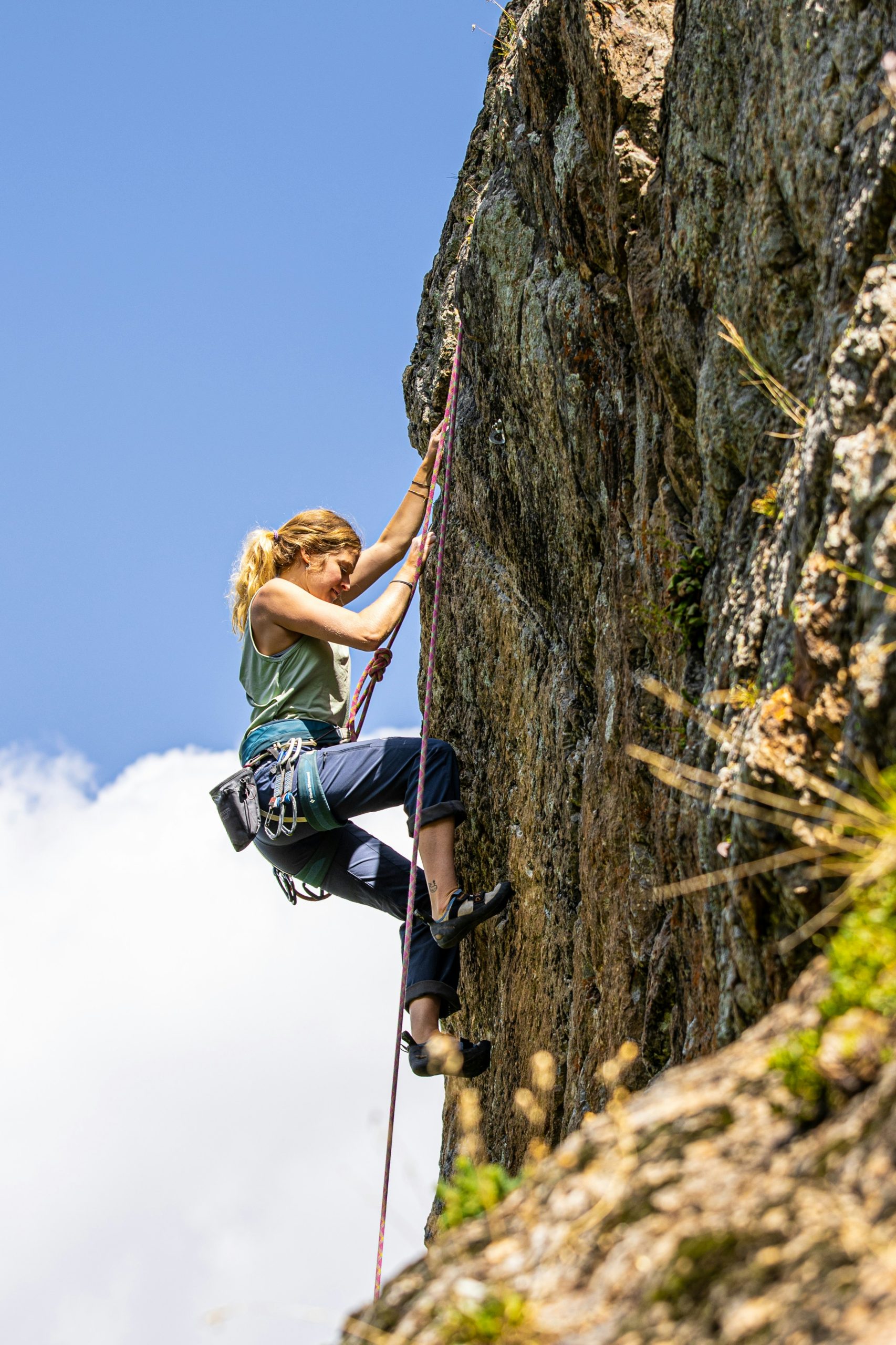
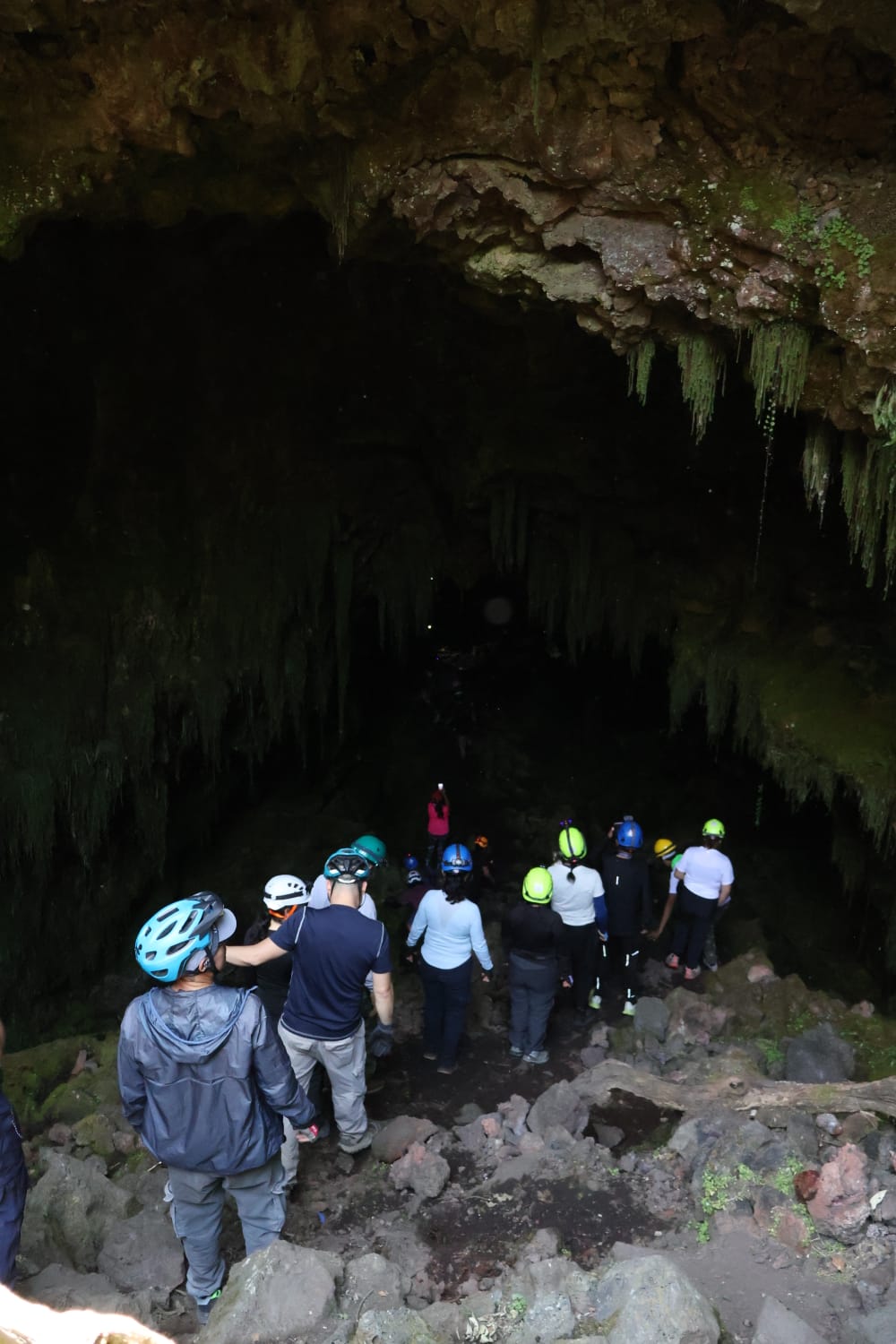
Scrape off dirt and debris from anything that touched the ground, wall, or other surfaces before leaving. If possible, place the debri in plastic bags.
Wash your hands, clothes, footwear, and anything else that may have touched the ground, wall, or other surfaces and wash as soon as possible with hot water and soap.
Anything that touched the ground, wall, or other surfaces should be cleaned before leaving. Scrape off dirt and debris and, if possible, place in plastic bags.
Please wash hands, clothes, footwear, and anything else that may have touched the ground, wall, or other surfaces and wash as soon as possible with hot water and soap.
Begin the day with clean shoes and gear by using the PlayCleanGo handheld boot brush to ensure there were no missed seeds or plant parts from your last adventure.
For easier management and to prevent introduction to new areas, stay on marked and/or designated trails. This keeps invasive species populations localized
The PlayCleanGo hand held boot brush should be kept in your backpack or attached to gear for on-the-spot removals while on the trails.
When your adventure is done and before leaving a location, CLEAN your:
Footwear at a boot brushing station or with the PlayCleanGo handheld boot brush you have packed if a station is not available along the trails.
Clothes and gear by picking off seeds and burrs with the PlayCleanGo Burr Paw and brushing off extra dirt.
Pets by removing mud and seeds. For tough burrs on pets use a little coconut oil on the burr and pinch it break it up into pieces and comb them out of fur.
Clothing, gear, or pets, use the PlayCleanGo Burr Paw. Put it on your hand and simply sweep it across all materials and irregularly shaped surfaces.
See prevention in action
Prevent the Spread of Invasive Species
Watch these videos for easy ways to prevent the spread of invasive species while you enjoy the great outdoors: