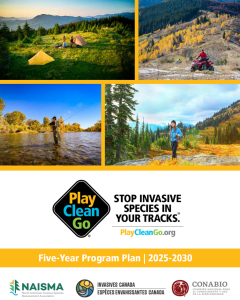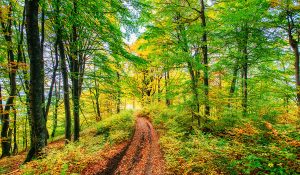


Fresh air. Open trails. Flowing water. Quiet forests. For many of us, time outside is more than recreation. It is how we recharge, reset, and reconnect.
During National Invasive Species Awareness Week (NISAW), we are spotlighting the theme “Defending our health by stopping the spread.” It is a powerful reminder that protecting ecosystems from invasive species is not just about plants, animals, and landscapes. It is also about protecting us.
At PlayCleanGo®, we celebrate outdoor adventure while encouraging responsible recreation that minimizes the spread of invasive species. When we clean our boots, boats, bikes, and gear, we help keep the places we love resilient, thriving, and able to continue supporting human health and well being for generations to comes.
Why the Outdoors Matter for Human Health

A growing body of research shows that spending time in nature is associated with a wide range of health benefits, including:
- Reduced stress and anxiety
- Improved mood and mental health
- Better cardiovascular health and physical fitness
- Enhanced sleep quality
- Stronger immune system function
- Increased creativity and focus
Nature is not just a backdrop for recreation. It is a foundational contributor to public health.
When invasive species degrade forests, waterways, and grasslands, they can reduce biodiversity, alter habitat structure, increase wildfire risk, disrupt food webs, and change how people experience outdoor spaces. Over time, these changes can make places less enjoyable, less accessible, and less capable of delivering the health benefits we depend on. Protecting ecosystems from invasive species is, in a very real sense, an investment in community health.
Where PlayCleanGo® Fits in

PlayCleanGo® supports outdoor health and wellness by helping keep trails, waterways, and natural areas resilient, accessible, and enjoyable. By taking a few quick actions before and after recreation, we can dramatically reduce the movement of invasive species:
- Clean mud and debris from boots, shoes, bikes, boats, and pets
- Remove visible seeds and plant fragments
- Stay on designated trails
- Drain water from boats, waders, and gear
- Dry equipment before heading to a new location
These small habits add up. They help slow the spread of invasive species, protect native plants and wildlife, and keep outdoor spaces healthy, beautiful, and welcoming.
Connecting to National Invasive Species Awareness Week
National Invasive Species Awareness Week is a time to come together across North America to:
- Increase awareness about invasive species and their impacts
- Highlight solutions and success stories
- Empower individuals to take action
This week is about understanding that everyone has a role to play. Whether you manage land, conduct research, teach students, recreate on weekends, or simply enjoy a neighborhood park, your actions matter. Here are a few easy ways to participate in National Invasive Species Awareness Week:
- Attend free webinars and events
- Write or send muster letters to your federal representatives
- Participate in local invasive species workdays or community events
- Share prevention messages with friends, family, and fellow recreationists
- Practice PlayCleanGo every time you head outside
Together, we can reduce the spread of invasive species and protect the places that protect us.
Resources
- Hunter, MR, Gillespie, BW. & Chen, SY-P. (2019). Urban Nature Experiences Reduce Stress in the Context of Daily Life Based on Salivary Biomarkers. Frontiers in Psychology.
- Jimenez, M. P., DeVille, N. V., Elliott, E. G., Schiff, J. E., Wilt, G. E., Hart, J. E., & James, P. (2021). Associations between nature exposure and health: A review of the evidence. International Journal of Environmental Research and Public Health.
- Twohig-Bennett, C., & Jones, A. (2018). The health benefits of the great outdoors: A systematic review and meta-analysis of greenspace exposure and health outcomes. Environmental Research.
- UCLA Health. (2025). 7 health benefits of spending time in nature.