

Invasive species are organisms—plants, animals, or microorganisms—that are introduced to an environment where they are not native and cause harm to the ecosystem, economy, or human health. These species often spread rapidly, out-competing native species and disrupting the natural balance of their new habitat. But what exactly makes a species “invasive”? Let’s break it down.
Characteristics of an Invasive Species
For a species to be considered invasive, it typically has the following traits:
- Non-Native Origin: An invasive species is introduced to an ecosystem outside of its natural range. This introduction can occur intentionally, such as through the import of ornamental plants or pets, or accidentally, such as through ballast water in ships or contaminated goods.
- Rapid Reproduction and Spread: Invasive species often reproduce quickly and in large numbers. They can adapt to a variety of environments, allowing them to spread far and wide.
- Ecological Disruption: Invasive species can out-compete native species for resources like food, water, and space. They may also prey on native species or introduce diseases, leading to declines in native populations.
- Lack of Natural Predators: In their new environment, invasive species often have few or no natural predators to keep their populations in check. This allows them to thrive unchecked.
Examples of Invasive Species
- Plants: Kudzu in the southeastern United States is often called “the vine that ate the South” because of its aggressive growth, which smothers native plants and trees.
- Animals: The Burmese python, introduced to Florida’s Everglades, preys on native wildlife and has significantly reduced populations of mammals like raccoons and deer.
- Aquatic Species: Zebra mussels, introduced through ballast water in the Great Lakes, clog water intake pipes and outcompete native mussel species.
Why Are Invasive Species a Problem?
Invasive species pose significant challenges:
- Ecological Impact: By displacing native species, invasive species can lead to biodiversity loss and alter entire ecosystems.
- Economic Costs: Managing invasive species and mitigating their impacts cost billions of dollars annually in sectors like agriculture, forestry, and fisheries.
- Human Health Risks: Some invasive species, like mosquitoes carrying diseases or plants causing allergic reactions, directly threaten human health.
How Can You Help Prevent the Spread of Invasive Species?
- Clean, Drain, and Dry: When boating or fishing, clean your equipment and drain water from boats to prevent spreading aquatic invasive species.
- Plant Native: Choose native plants for your garden to support local ecosystems and avoid planting species known to be invasive.
- Be Mindful of Firewood: Don’t transport firewood to prevent the spread of pests like the emerald ash borer.
- Donate: Help fund the North American Invasive Species Management Association to empower the management of invasive species across North America.
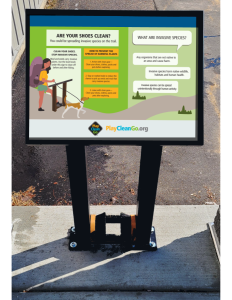
- Check Your Gear: After hiking, biking, or camping, clean your shoes, clothes, and equipment to remove seeds or hitchhiking organisms. Use our handy PlayCleanGo® boot brushes.
Learn More About Invasive Species
Understanding what an invasive species is and the challenges they present is the first step toward protecting our ecosystems. By making small, mindful changes in our daily lives, we can all play a role in stopping the spread of invasive species. Visit PlayCleanGo.org for more tips, resources, and ways to get involved in invasive species prevention efforts.