
As outdoor enthusiasts, we relish the joy of exploring waterways, lakes, and rivers. However, with this enjoyment comes the responsibility to safeguard these ecosystems from the threat of aquatic invasive species (AIS). One of the primary vectors for the spread of AIS is unintentional transport by boats, trailers, and equipment when they leave an infested waterbody. In this blog post for PlayCleanGo.org, let’s delve into the importance of preventing the spread of Aquatic Invasive Species on boats and how we can all play a role in preserving the health of our favorite aquatic environments.
The Challenge with Aquatic Invasive Species:
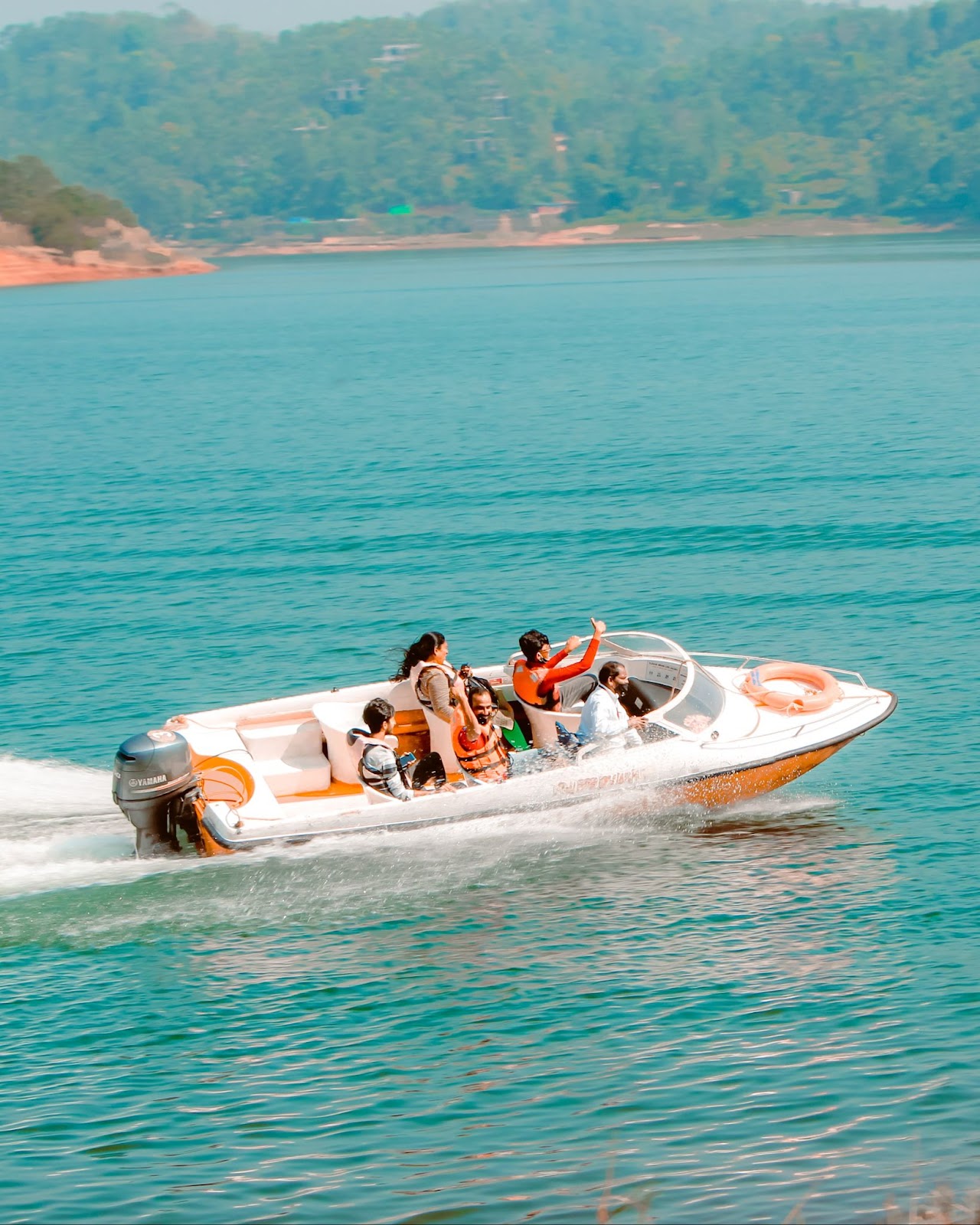
When these invaders hitch a ride on boat hulls, propellers, and trailers, they can quickly establish new populations in previously uninfested waters. They can wreak havoc on native ecosystems, outcompete local species, disrupt food chains, alter habitats, make beaches hazardous and uninviting, and damage water infrastructure. Once these species arrive, they are nearly impossible to get rid of and very costly to manage!
Top Species of Concern:
Prevention Tips:
- Clean, Drain, and Dry:
The mantra “Clean, Drain, and Dry” is a fundamental practice for mitigating the spread of aquatic invasive species. Before leaving a water body, ensure your boat is free of any visible plants, animals, mud, or debris. Drain all water from the boat, including bilges, live wells, and bait containers, and thoroughly dry all surfaces.
- Inspect and Remove Invasive Species:
Regularly inspect your boat hull, propeller, and trailer for any signs of invasive species. Remove any plants or animals you may find, and dispose of them properly on dry land, away from water bodies. Early detection is key to preventing the establishment of invasive species.

- Know Before You Go:
Be a responsible boat owner. If you plan on visiting a waterbody, research ahead to find out if there are invasive species already present and what steps you can take to prevent their spread. Some lakes and states/provinces also have species inspection and decontamination protocols that you should be aware of before you get on the road!
Adirondack Watershed Institute
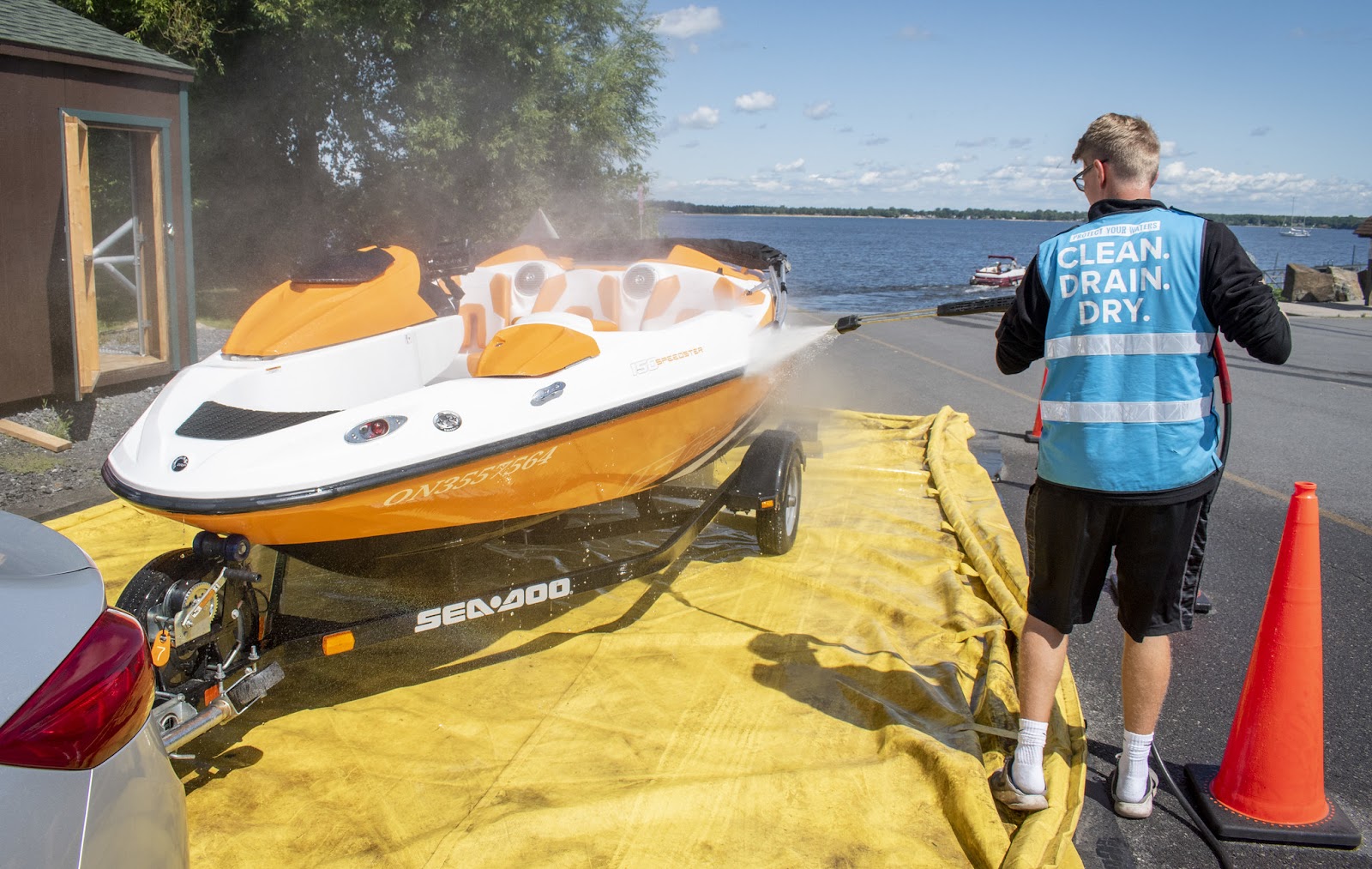
Follow Plattsburgh State Boat Launch, Decontamination
- Schedule a Decontamination or Follow Recommended Dry Times:
In many areas of the United States, you can now contact your state AIS prevention program and schedule a decontamination for your boat if you are coming from an infested waterway. Inspectors will flush compartments with hot water and hot wash the exterior of your boat to ensure any aquatic invasive species have been killed and removed. If you are unable to locate a decontamination station in your area, you can allow your boat, equipment, and compartments to completely dry for at least five days (dry times will vary depending on geographic location, season, and air temperature).
- Educate and Raise Awareness:
Foster a culture of responsible boating by educating yourself and others about the impacts of AIS. Share information within your community, marinas, and boating clubs to raise awareness about the importance of following the “Clean, Drain, Dry” steps every time.
Preventing the spread of AIS by boats and recreational equipment is a crucial step in preserving the health and biodiversity of our aquatic environments. By adopting best practices such as “Clean, Drain, and Dry,” stopping at aquatic invasive species inspection and decontamination stations when traveling, and doing some research before you take your boat to an infested waterway, we can collectively play a significant role in preventing the unintentional spread of AIS. Let’s commit to being stewards of our waterways, ensuring they remain vibrant, thriving, and free from the detrimental impacts of AIS.
Visit the Stop Aquatic Hitchhikers page or our PlayCleanGo Take Action page to learn more about steps you can take to prevent the spread of aquatic invasive species!